Anchour Makes the 2026 Inc. 5000 With 246% Growth
The growth happened quickly, but the lessons behind it took much longer to learn.


Anchour, an independent brand and marketing agency headquartered in Maine, has made the Inc. 5000 for the fourth time, ranking among America’s fastest-growing private companies in 2026.
Anchour grew revenue 246% from 2022 through 2025, placing us #3 among Maine companies on this year’s list. This year also marks our thirteenth straight year of revenue growth since starting Anchour in 2013.
We’re proud to make the list. It’s a big milestone for our team and still strange to see written down after spending so many years focused on the next client, project, hire, or challenge in front of us.
Inc. looks at three years. We used this process as an excuse to look at all thirteen.
Anchour has grown through years when growth felt slow and years when we had trouble keeping up with it. We’ve worked through COVID, major changes in media and technology, and now AI. We’ve made good bets and bad ones. No single client, channel, hire, or service changed the trajectory of the company.
But a few patterns did.
Long client relationships became one of our best sources of growth
Agencies spend a lot of time on new business. We do too. Some of Anchour’s best growth, though, has come from clients we had already won.
Many of our largest relationships started with one small assignment. A client hired us for a brand, a website, paid media, or another defined problem. We learned the business through the work, and that context often led to a broader relationship.
Our average client relationship lasts well over three years, and some of our longest partnerships go back more than a decade.
A few years of shared history changes the conversation.
Six months into a relationship, you understand the marketing plan and current priorities. A few years in, you remember why the company made a decision under a previous leadership team. You know which ideas have been tested, where the technology creates constraints, which customers matter most, and how the organization gets hard decisions made.
That context helps our team connect problems that might look separate to someone seeing the business for the first time.
A website project can expose weak positioning, and paid media can show that the offer needs work. Customer research can change the product story. Brand work often surfaces issues in sales, digital experience, and advertising at the same time.
Clients bring us into bigger conversations once we understand enough of the business to contribute beyond the assignment in front of us.
That changed how we think about retention. Our measure is whether we can contribute more in year three than we could in month three.
That has become one of our most reliable sources of growth.
Spending years in the same categories made us more useful
We didn’t set out to specialize by industry. Good work led to more work in the same categories.
Today, we have the most depth in banks and credit unions, food and consumer brands, and companies rooted in Maine and New England.
Bank and credit union marketing is Anchour’s deepest area of expertise. We’ve worked with more than 30 banks and credit unions across the country, including SchoolsFirst Federal Credit Union, Camden National Bank, and DCU, across brand strategy, naming, websites, creative, media, and other parts of their marketing.
After enough of those engagements, our team stopped needing a long introduction to the category. We’ve learned how a small website decision can create a compliance issue, and how digital banking and core technology shape the experience a customer gets. We’ve also learned the challenge of updating a trusted institution while preserving the equity it spent decades building.
That experience helps us get to the important questions faster and recognize where problems tend to hide.
The same thing has happened in food, beverage, ecommerce, and consumer work. We’ve worked with brands including LesserEvil, Juicy Juice, and Savannah Bee, where decisions about strategy, packaging, retail, ecommerce, and media constantly affect one another.
Maine and New England are another big part of our history. We’ve worked with companies like L.L.Bean and Marden’s, where decades of customer trust make knowing what to preserve as important as knowing what to change.
That category experience gets us to the important questions faster. Clients spend less time teaching us the basics, and we spend more time solving the problem in front of them.
We got better by integrating disciplines
As our client relationships got broader, our view of agency services changed too.
A customer doesn’t care how the work gets divided behind the scenes. They see an ad, visit the website, encounter the product, read an email, or walk into a location. All of it shapes one opinion of the company.
Inside marketing organizations and agencies, those experiences often belong to separate teams.
We saw the cost of that structure in our own work. A media team could find the right audience and discover that the offer needed work. A brand system could look great in a presentation and fall flat once a website or paid media program demanded dozens of new pieces of creative. Developers would get finished designs with expensive decisions already baked in. Performance teams could find a message customers responded to, then leave that learning inside the ad account.
People were too often solving their piece of the problem. Brand didn’t always understand what media would need. Creative could make decisions that created problems for development. Performance insights could stay trapped inside an ad account instead of changing the broader work.
So we integrated strategy, brand, creative, web, media, content, and analytics more closely. Specialists get involved earlier, understand more of the whole account, and have to think beyond their own discipline.
The result is less rework, fewer avoidable mistakes, and work that holds together better. It’s a real advantage for our clients.
Growing from 22 people to 40 changed how we had to work
Anchour grew from 22 people in 2022 to about 40 today while revenue grew 246%.
That created a new problem: the more people between a client and the work, the easier it is for context to get lost.
So we designed against it. Senior leaders stay close to accounts. Discipline leads still do the work. We built internal systems for client knowledge, research, media, workflow, and quality control, and AI has accelerated all of it.
We use technology across the agency to gather information, organize it, check work, and remove repetitive tasks. That gives our team more time for customer understanding, creative work, client conversations, and decisions that require experience.
AI can give anyone 100 headlines in the time it once took to write two. Most of them won’t be good. The value is knowing which one fits the customer, the brand, and the moment.
The goal is to grow without adding distance between clients and the people responsible for the work.
We’ve gotten more thoughtful about fit
As Anchour has grown, we’ve gotten clearer about the kinds of relationships where we can do our best work.
We look for companies with meaningful problems to solve, ambitious teams, and leaders who want an agency that can challenge them as well as execute.
The strongest relationships tend to have room to grow. The initial assignment matters, but so does what might be possible a year or three years later.
Growth started long before 2022
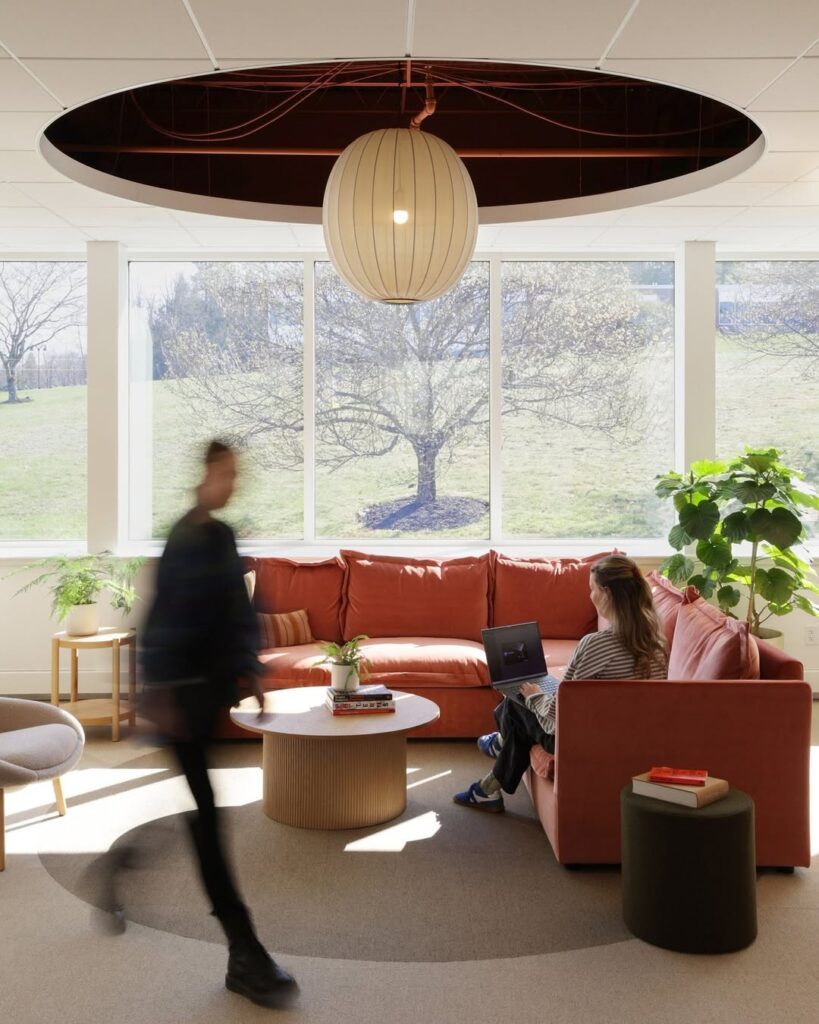
Anchour started from nothing in Maine in 2013. Today, we’re about 40 people across 30 cities, nine states, and four time zones. Pineland Farms in New Gloucester is our home base, and most of our team still lives in Maine.
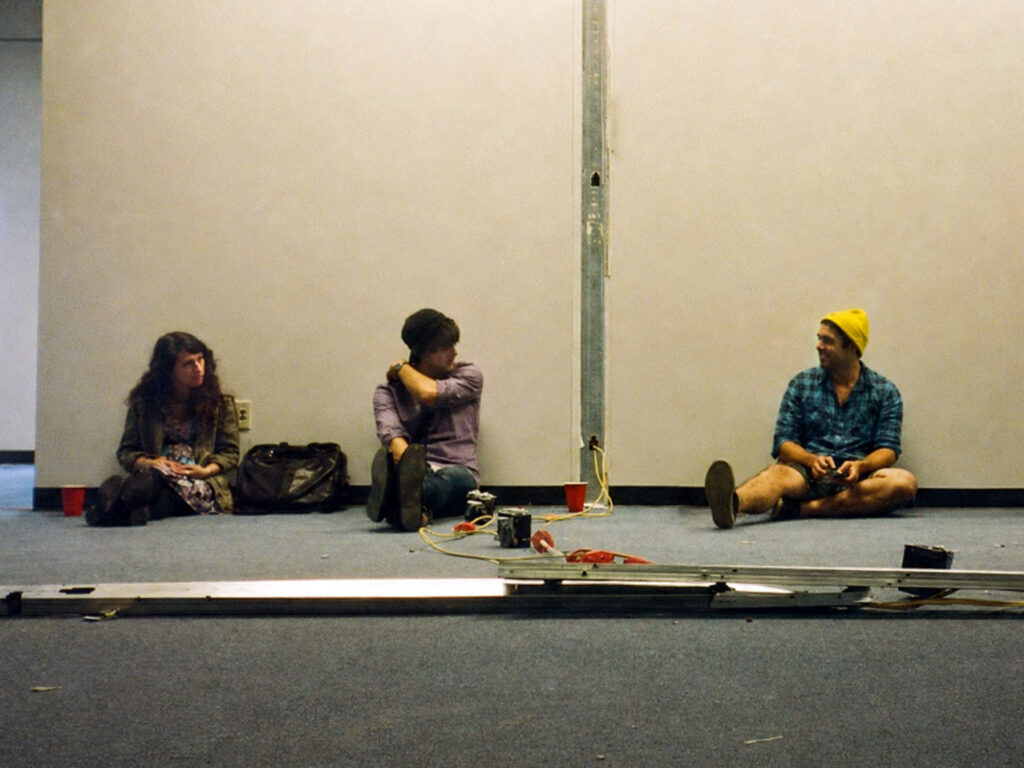
We’ve stayed independent, grown without acquisitions, and increased revenue every year we’ve been in business.
The 246% happened over three years. But by 2022, we already had nearly a decade of relationships, mistakes, category knowledge, and systems behind us. The growth that followed built on all of it.
We also had good timing. Great people joined Anchour. Clients trusted us with more and recommended us to others. Some things went our way.
We’re proud to make the 2026 Inc. 5000 again. More than anything, we’re grateful for the people who gave us thirteen years to get here.